From Cornets to Basses
A British-style brass band is a unique type of ensemble made up entirely of brass instruments and percussion, known for its rich, powerful sound and thrilling virtuosity. Unlike a traditional concert band, brass bands feature cornets instead of trumpets along with tenor horns, baritones, euphoniums, trombones, basses (tubas), and percussion, creating a warm and distinctive blend heard in contests and concerts around the world.

Instruments of the Brass Band

Soprano Cornet
The Soprano Cornet is the highest voice in the brass band and is pitched in E♭. Known for its sparkling sound, it often adds brilliance to the full ensemble and performs soaring solo lines above the cornet section. Strong soprano players combine precision, endurance, and a delicate musical touch.

Solo Cornet
The Solo Cornet section serves as the primary melodic voice of the brass band, similar to the violin section in an orchestra. Solo cornets perform many of the band’s most lyrical melodies, virtuosic passages, and featured solos while also leading the ensemble’s overall sound and style. Their warm, singing tone distinguishes them from orchestral trumpets.
Repiano Cornet
The Repiano Cornet is often described as the “glue” of the cornet section. This player frequently moves between solo and section roles, reinforcing harmonies, supporting the soprano cornet, and helping balance the entire cornet choir. The part requires flexibility, endurance, and excellent musicianship.
Second and Third Cornets
The Second Cornet and Third Cornet sections provide depth, warmth, and harmonic support within the cornet choir. These players help create the rich, unified cornet sound that is central to the brass band tradition while also occasionally stepping into melodic or technical passages of their own. Strong ensemble playing and blend are especially important in these roles.
Flugel Horn
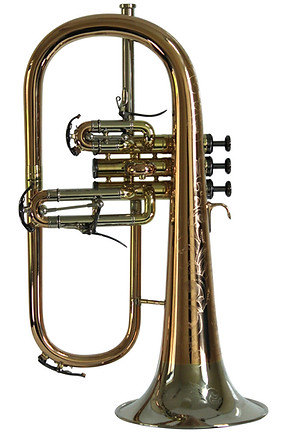
The Flugel Horn acts as a bridge between the cornets and the tenor horns. Its mellow, velvety sound gives warmth and color to the band, and it is frequently featured in expressive solos and lyrical melodies. The flugel horn is one of the most distinctive and beloved sounds in brass banding.

Tenor Horn
The Tenor Horn, sometimes known in the United States as the alto horn, provides the warm middle voice of the brass band. Played upright and pitched in E♭, tenor horns often perform rich inner harmonies but are also capable of lyrical solo playing and remarkable agility. Their unique sound is one of the defining characteristics of a British brass band.

Baritone
The Baritone fills the space between the tenor horns and euphoniums with a light, smooth tone. While baritones often support the harmony, they also perform lyrical solos and technical passages that require flexibility and finesse. Their ability to blend seamlessly throughout the ensemble makes them essential to the brass band sound.

Trombone
The Tenor Trombone section adds brilliance, power, and rhythmic drive to the brass band. Unlike the more conical instruments in the ensemble, trombones have a more direct and focused sound that helps project climactic moments and energetic passages. They are equally capable of bold fanfares and smooth lyrical playing.

Bass Trombone
The Bass Trombone anchors the trombone section with a broad, powerful low register. It adds weight and depth to the full ensemble while also contributing clarity and articulation in rhythmic passages. In brass band music, the bass trombone often bridges the gap between the trombones and tubas.

Euphonium
The Euphonium is one of the premier solo instruments of the brass band, known for its rich, singing tone and extraordinary technical flexibility. Euphoniums frequently perform expressive melodies, virtuosic solos, and powerful ensemble passages while also reinforcing the lower brass sound. Their lyrical voice is often compared to that of a cello or operatic tenor.

E♭ Bass (Tuba)
The E-flat Bass provides agility and clarity in the low brass section. Compared to the larger B♭ bass, the E♭ bass often performs more technical lines and lyrical passages while helping shape the overall color and resonance of the band. Together with the B♭ basses, it creates the foundation of the ensemble’s powerful sound.

B♭ Bass (Tuba)
The B-flat Bass supplies the deepest and broadest sound in the brass band. These instruments provide the ensemble’s sonic foundation, supporting the full group with warmth, weight, and resonance. Strong B♭ bass players combine power with precision and musical sensitivity.

Timpani
The Timpani provide rhythmic foundation, dramatic impact, and tonal color within the percussion section. Timpanists in brass bands must combine rhythmic accuracy with careful tuning and musical sensitivity, often shaping climactic moments and transitions throughout a performance. Timpani are considered a standard part of nearly all brass band repertoire.

Drum Set
The Drum Set adds rhythmic energy, groove, and stylistic versatility to modern brass band repertoire. Drum set players may perform everything from jazz and rock styles to Latin and cinematic percussion writing, helping expand the color palette of the ensemble. Sensitivity and stylistic flexibility are especially important in brass band percussion playing.

Mallets
Mallet Percussion instruments such as xylophone, vibraphone, glockenspiel, and marimba add brightness, color, and virtuosity to the brass band. Mallet percussion often doubles melodic lines, provides shimmering textures, or contributes exciting solo passages. Skilled mallet players must combine precise technique with strong musical expression.
Auxiliary Percussion
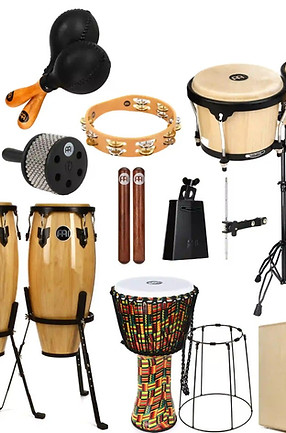
Auxiliary Percussion, sometimes affectionately called “percussion toys,” include instruments such as triangle, tambourine, shaker, cymbals, woodblock, whip, thunder sheet, anvil, and many other sound effects. These instruments add texture, color, atmosphere, and excitement to brass band music, often playing a crucial role in shaping the character of a piece. Percussionists must be versatile musicians capable of moving quickly between many instruments and styles.